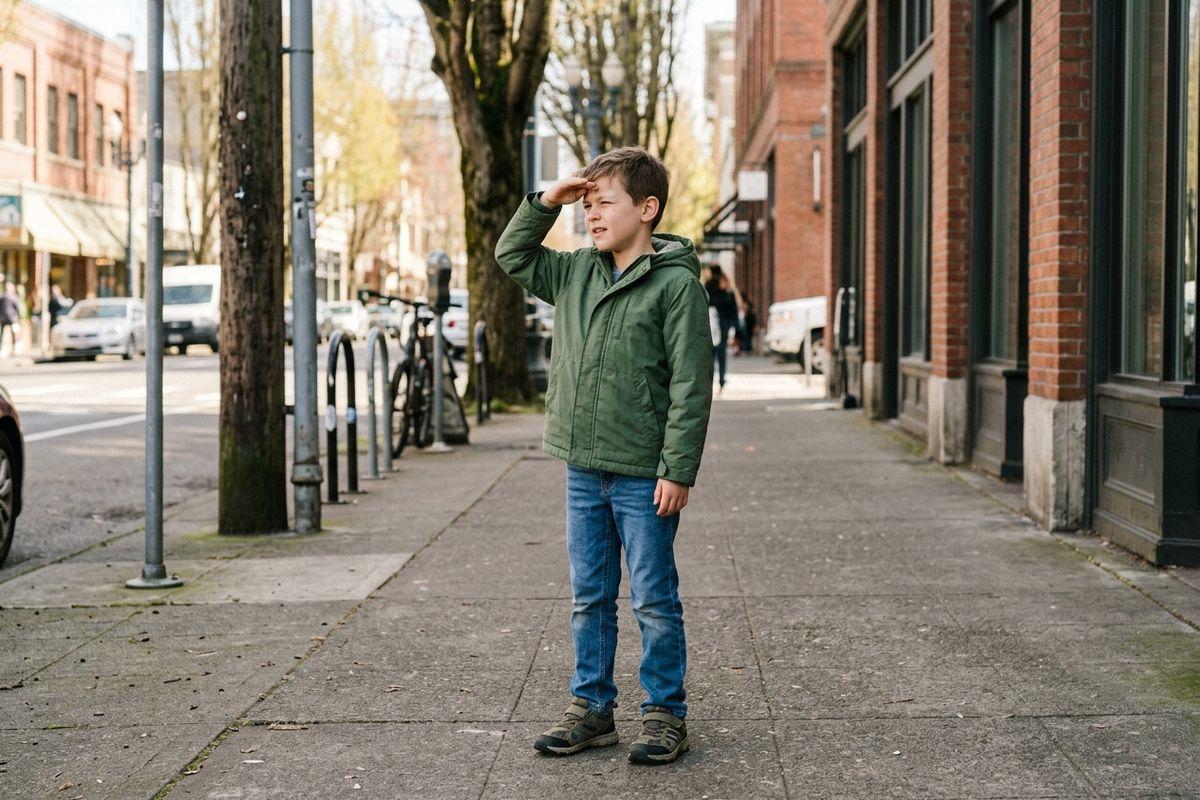
Plenty of people first notice nearsightedness when road signs or the TV across the room start looking fuzzy. It often shows up in childhood, so it’s natural to wonder whether that blurriness will stay for good.
Myopia can’t be cured or reversed, though glasses and contacts can help you see clearly, and myopia management may slow how quickly it progresses in kids. Your family can find out how your eyes are changing and which options fit best during a comprehensive eye exam.
What Myopia Really Means for Your Eyes
Myopia, better known as nearsightedness, makes faraway objects look fuzzy while things up close stay clear. Most of the time, it comes down to the shape of your eye.
When your eyeball grows a little too long from front to back, light focuses just in front of your retina instead of directly on it. Your retina is the light-sensitive layer at the back of your eye that sends images to your brain.
Genetics can play a part, so kids with 1 or 2 nearsighted parents have a higher chance of developing it. How much time children spend outdoors may also affect how their eyes grow. And lots of close-up activities, like reading or scrolling on a phone, could raise the risk.
Common Signs to Watch For
Myopia often develops gradually, and everyday habits tend to point to it before anyone complains about their vision. Watch for a few of these signs:
- Squinting to read signs or the whiteboard at school
- Headaches after schoolwork or driving
- Tired or sore eyes
- Sitting close to the TV
- Holding a phone or tablet right up to the face
Kids don’t always realize their vision has changed. If you spot any of these at home, let your optometrist know.
Can Myopia Go Away or Reverse Naturally?
Once your eye grows longer, it keeps that shape. Glasses and contact lenses bend incoming light so it lands on your retina, bringing distant objects back into focus.
Myopia often stabilizes in the early 20s, once the eyes finish growing. Until then, prescriptions can get stronger from year to year.
Leafy greens and fish can support your overall eye health, though no diet or eye exercise has been shown to shorten an eye that’s already grown.
Can Surgery or LASIK Cure Myopia?
For adults, LASIK and similar laser procedures reshape the cornea, which is the clear front surface of your eye. The new shape can help light focus on your retina, and many people can see distances without glasses afterward. Results vary from person to person.
Surgery changes the way light enters your eye, but your eyeball keeps its longer shape. People with higher myopia face a greater risk of conditions like retinal detachment and glaucoma, so keep up with regular eye exams after surgery too.
Thinking about LASIK? Ask your optometrist whether you’re a good candidate. Your prescription usually needs to stay stable for at least 1 year before surgery.
Myopia Control Options for Children
Kids’ eyes are still growing, which gives families time to slow myopia down before it gets stronger. Your optometrist may suggest 1 of these treatments or a combination, depending on your child’s age and prescription.
Ortho-K Lenses
Your child wears these rigid contact lenses overnight, and they gently reshape the cornea during sleep. In the morning, your child removes them and can see clearly throughout the day without glasses. Ortho-k may also slow how quickly the eye grows longer.
Myopia Control Soft Contact Lenses
These daytime lenses change how light focuses on the outer edges of the retina, which may help slow eye growth. Some come as daily disposables, so your child can toss them each night instead of cleaning them.
Myopia Control Glasses
Is your child not quite ready for contacts? Specially designed glasses may help. They look like regular glasses, but their lenses use tiny segments that change how light reaches the retina.
Low-Dose Atropine Eye Drops
Low-dose atropine drops go in at bedtime and may slow how fast myopia progresses. Your child can wear glasses or contacts alongside them to see clearly during the day.
Everyday Habits That Help
Small daily choices add up for growing eyes. Try these:
- Head outside for about 2 hours of daylight each day
- Follow the 20-20-20 rule by looking at something 20 feet away for 20 seconds every 20 minutes
- Hold books and tablets at a comfortable distance
- Turn on good lighting for reading and homework
Personalized Myopia Care for Your Whole Family
Regular exams let us track how your eyes change over time, so you always know where things stand. We’ll build your child’s myopia plan around their needs and your family’s schedule.
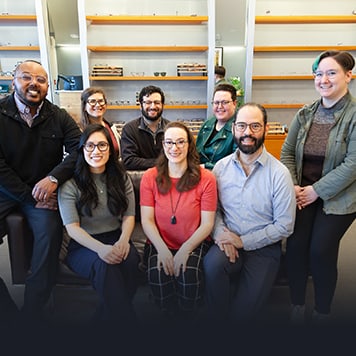
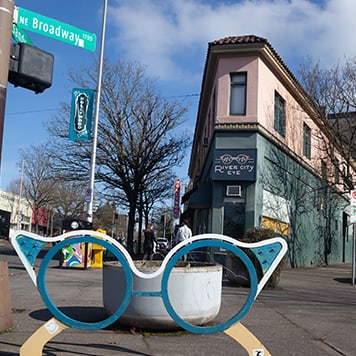
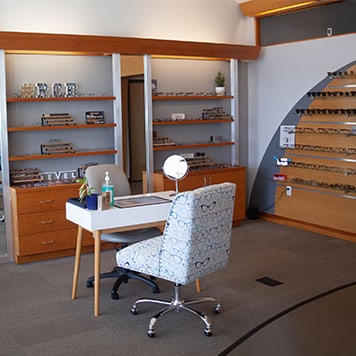
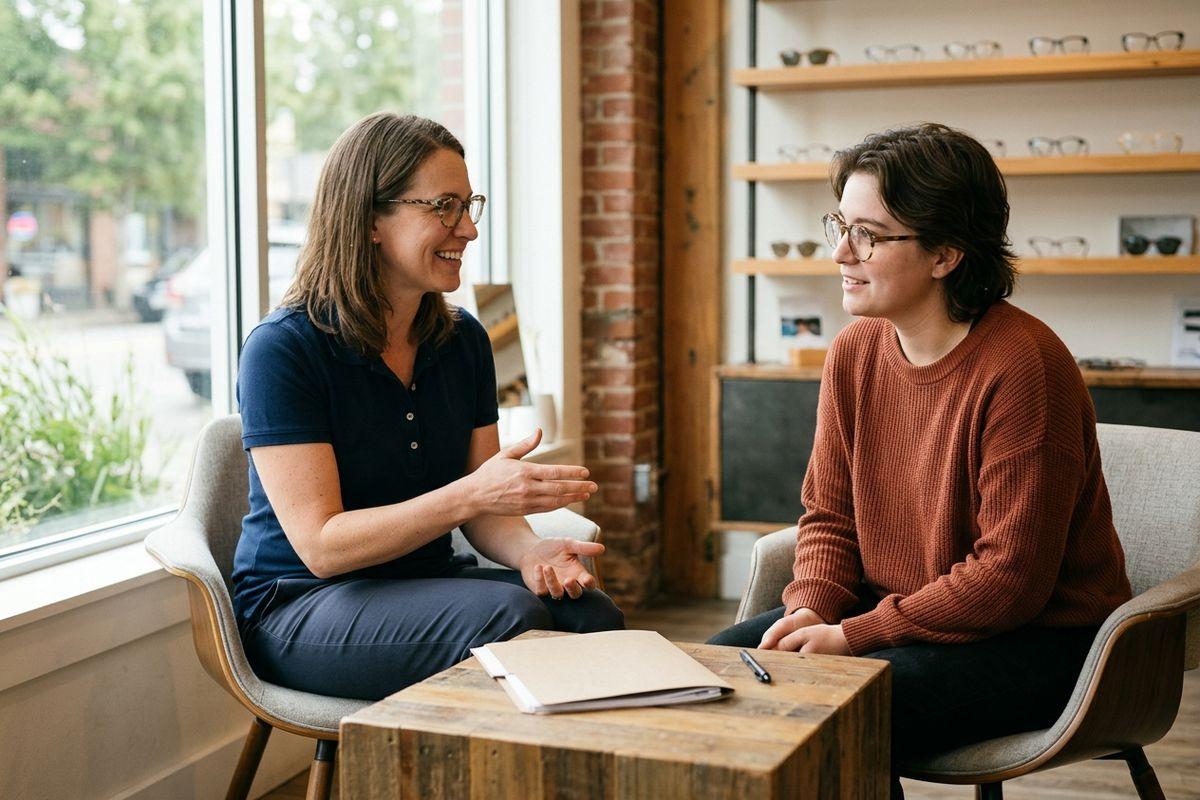
You’ll see familiar faces who remember your name at every visit. When it’s time for new frames, browse our styles and pick a pair with a bit of neighborhood pride.
Start Your Family’s Myopia Care Plan
Myopia stays once it develops, so starting care early can give your child more options as their eyes grow. Book an eye exam with River City Eye, and let our team help your family see clearly for years to come. We’d love to meet you!